Dairy cow research
Research on Bacillus subtilis natto in dairy cows reported effects on milk production, rumen fermentation and ruminal microbiome under specific study conditions.
PubMed: Sun et al., 2013
Science & research
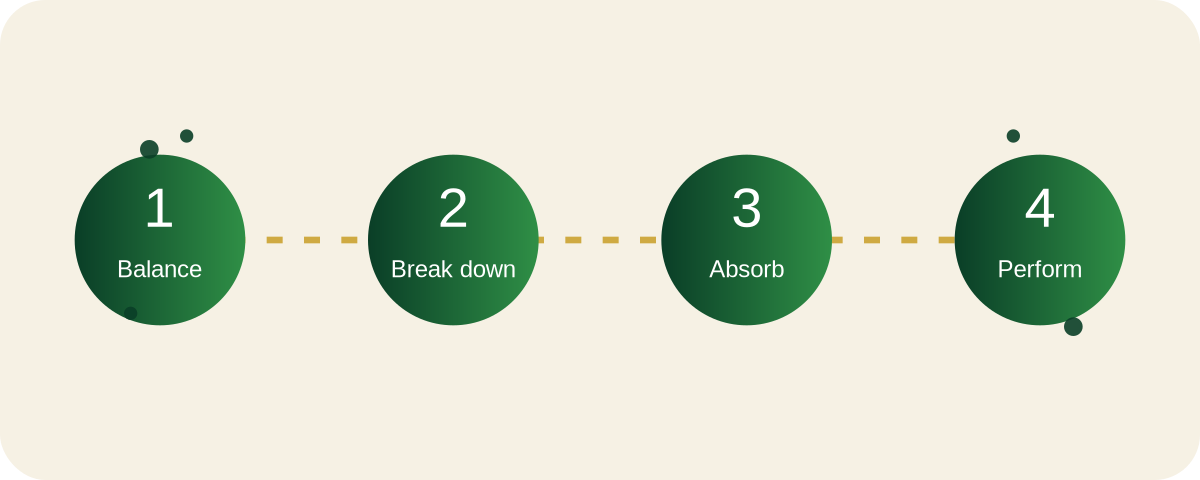
RumiStim messaging is built around known probiotic mechanisms: microbial balance, digestive enzyme support, nutrient use, gut barrier support and performance support.
How probiotics work
Probiotics are beneficial microbes used to support the microbial environment in the digestive tract. In animals, the practical goal is not to force performance artificially, but to support the biological systems that help animals use feed, absorb nutrients and maintain resilience.
Public formulation information
Scientific study highlights
Research on Bacillus subtilis natto in dairy cows reported effects on milk production, rumen fermentation and ruminal microbiome under specific study conditions.
PubMed: Sun et al., 2013A Bacillus-based direct-fed microbial study reported improvements in milk yield, milk production efficiency, lactose yield and total solids yield in lactating dairy cows.
PMC: Cappellozza et al., 2023Research on Bacillus coagulans in broilers has evaluated growth performance, intestinal morphology, microflora, antioxidant capacity and immune parameters.
PMC: Zhang et al., 2021Broiler research using B. subtilis and B. licheniformis reported improvements in growth performance, immune status, antioxidant capacity, SCFA production and cecal microbiota.
PMC: Xu et al., 2021Research in healthy dogs has evaluated graded levels of Bacillus coagulans and measured stool quality, nutrient digestibility and intestinal-health markers.
PMC: Acuff et al., 2021A review of dog and cat gut probiotics discusses how probiotics may support gut microbiota and digestive health while noting that mechanisms and outcomes vary by strain and context.
PMC: Yang et al., 2023RumiStim trial snapshot
The supplied internal RumiStim poultry trial summary reports Week 6 average weights of 3,133.3 g for the RumiStim group and 2,312.08 g for the monitor group. This website presents that as a trial snapshot, not as a universal promise.
Animal outcomes depend on feed quality, water, genetics, stocking density, housing, management, animal age and health status.

RumiStim is positioned as a nutritional probiotic support product. It should not be described as a disease cure, treatment, vaccine, antibiotic replacement or guaranteed performance product. For illness, mortality, outbreaks or suspected disease, consult a veterinarian or qualified animal-health professional.
Take the next step
Contact RumiStim for farmer, reseller and bulk-use information.